
The Cloisonné Technique in Early Medieval Jewellery
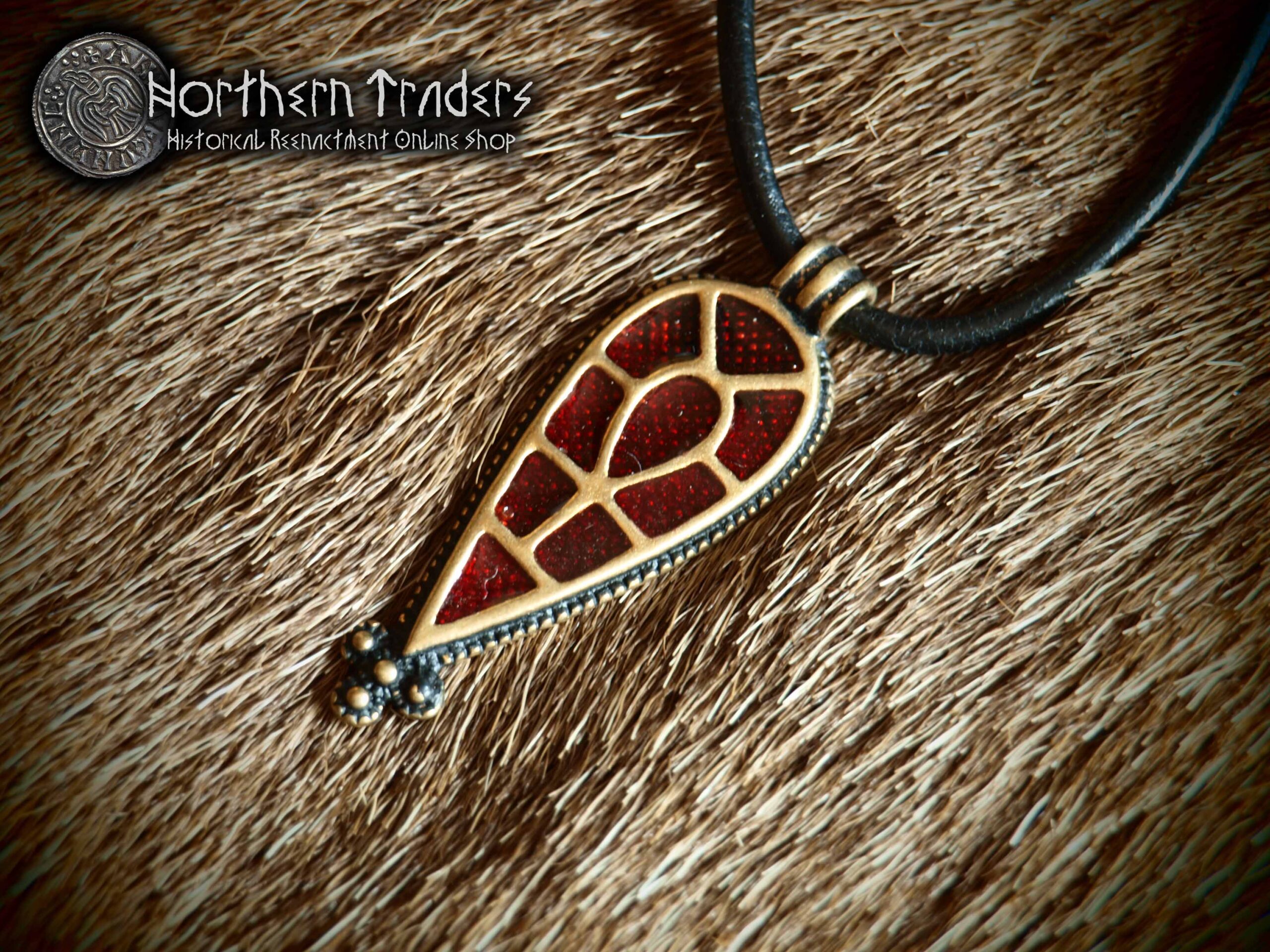
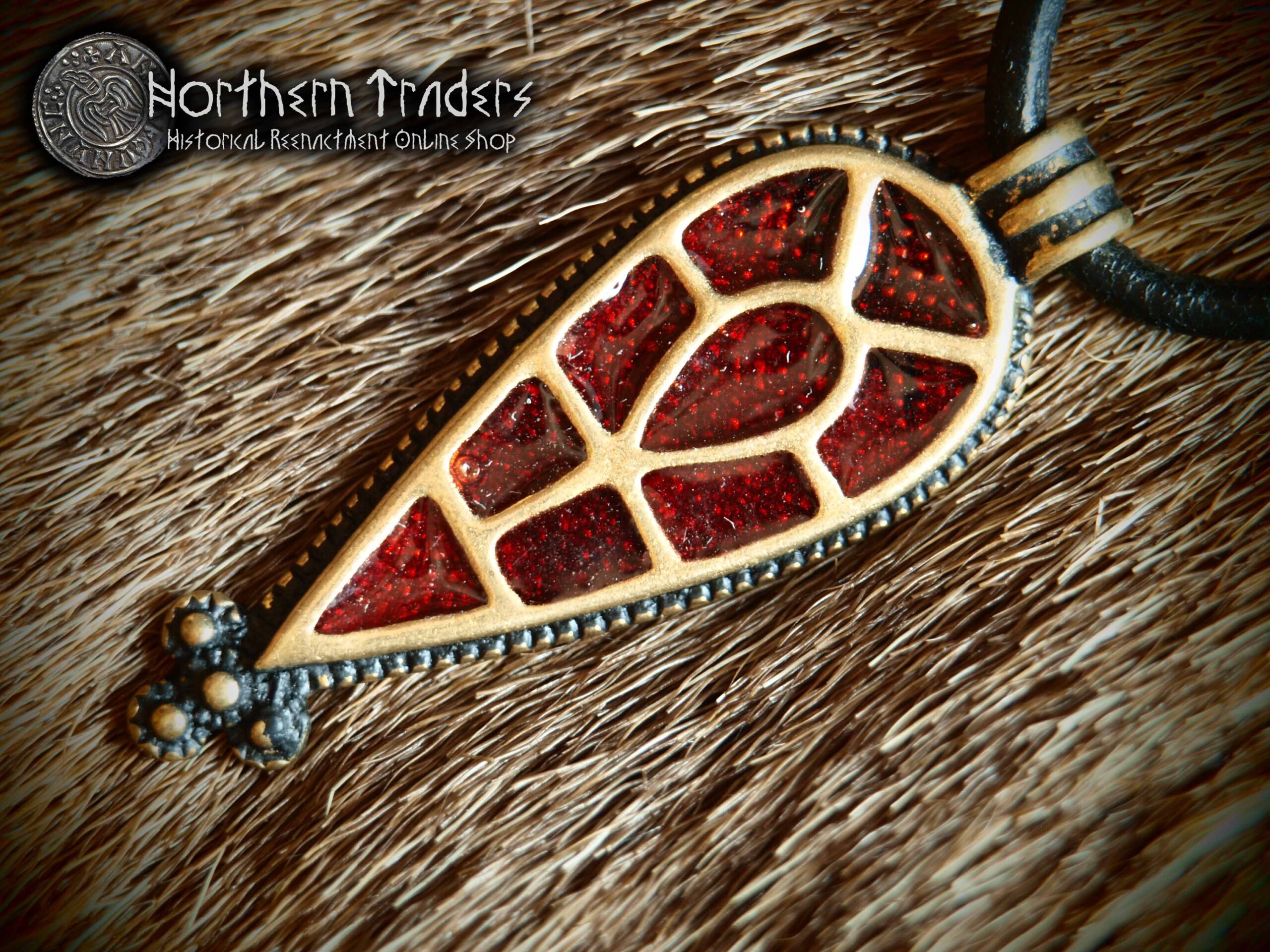
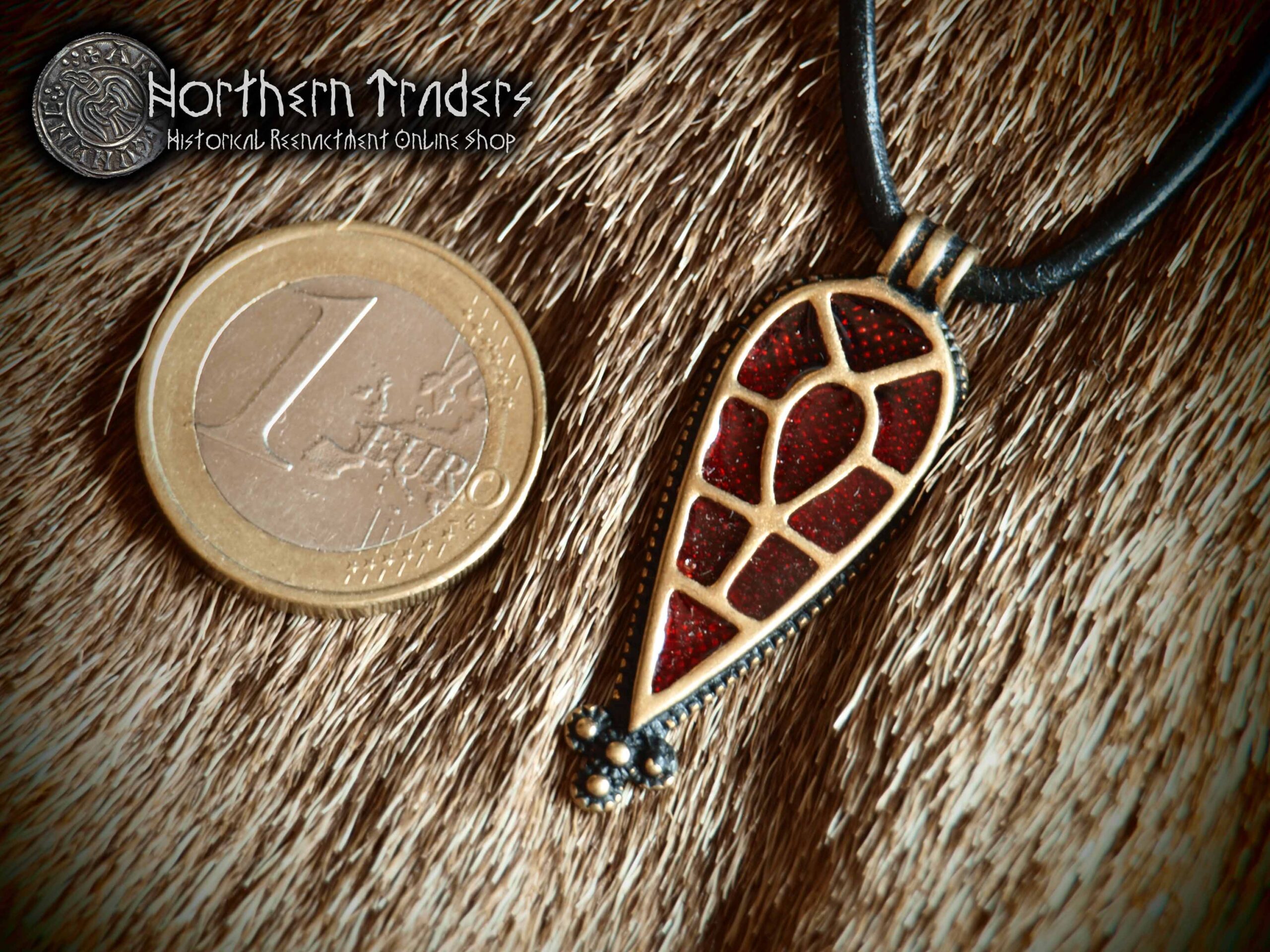
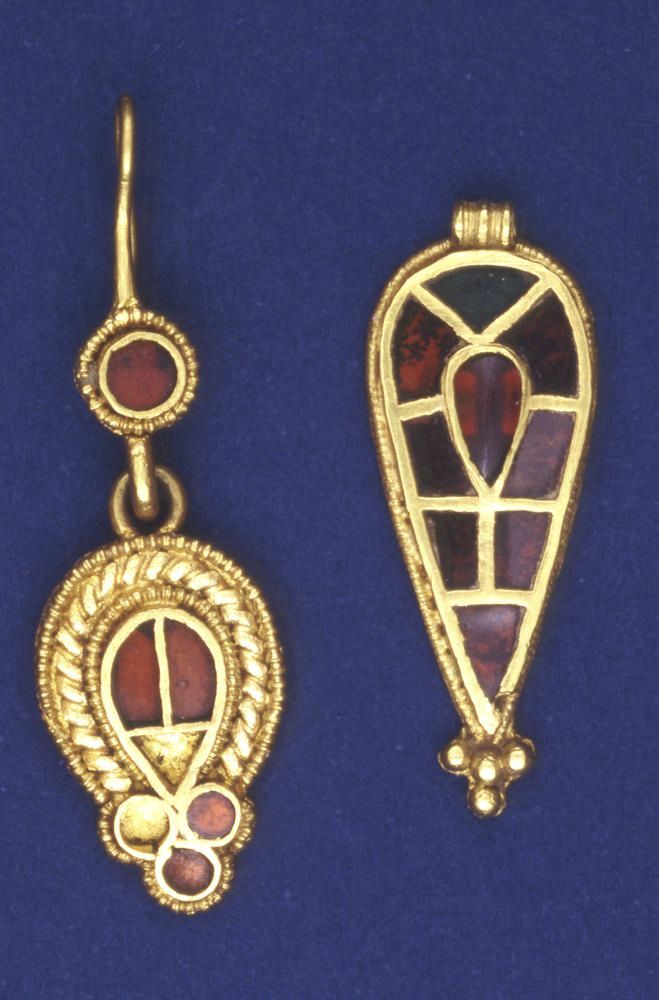
The cloisonné technique consists of setting small pieces of glass or gemstones into fine metal compartments, creating intricate decorative patterns of exceptional visual richness.
Originating in Asia, this craft spread from India to the Near East and Egypt before reaching Europe during the Iron Age. During the Migration Period, cloisonné became especially popular among Germanic peoples, who used it to decorate jewellery, brooches, pendants, and other prestigious objects.
From the 7th century onwards, cloisonné gradually gave way to enamel decoration across much of Western Europe. However, the technique remained in use in Scandinavia and the Byzantine world until the 9th century, when this ancient artistic tradition largely disappeared.
Today, cloisonné is regarded as one of the finest techniques of Early Medieval jewellery and a lasting symbol of the artistic achievements of Germanic and Late Antique cultures.


Reviews
There are no reviews yet.