
Merovingian Rosette Brooches and the Cloisonné Tradition
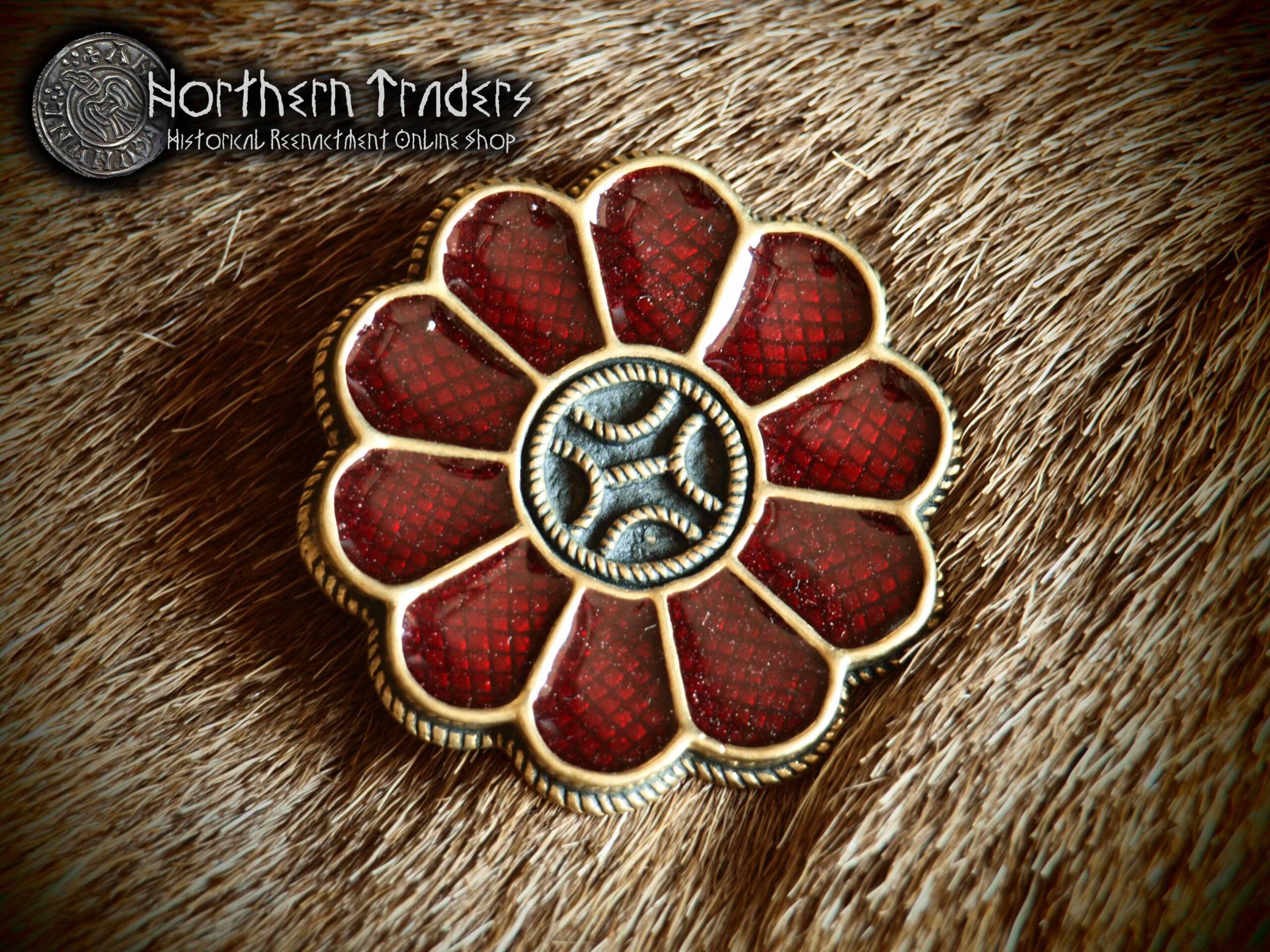
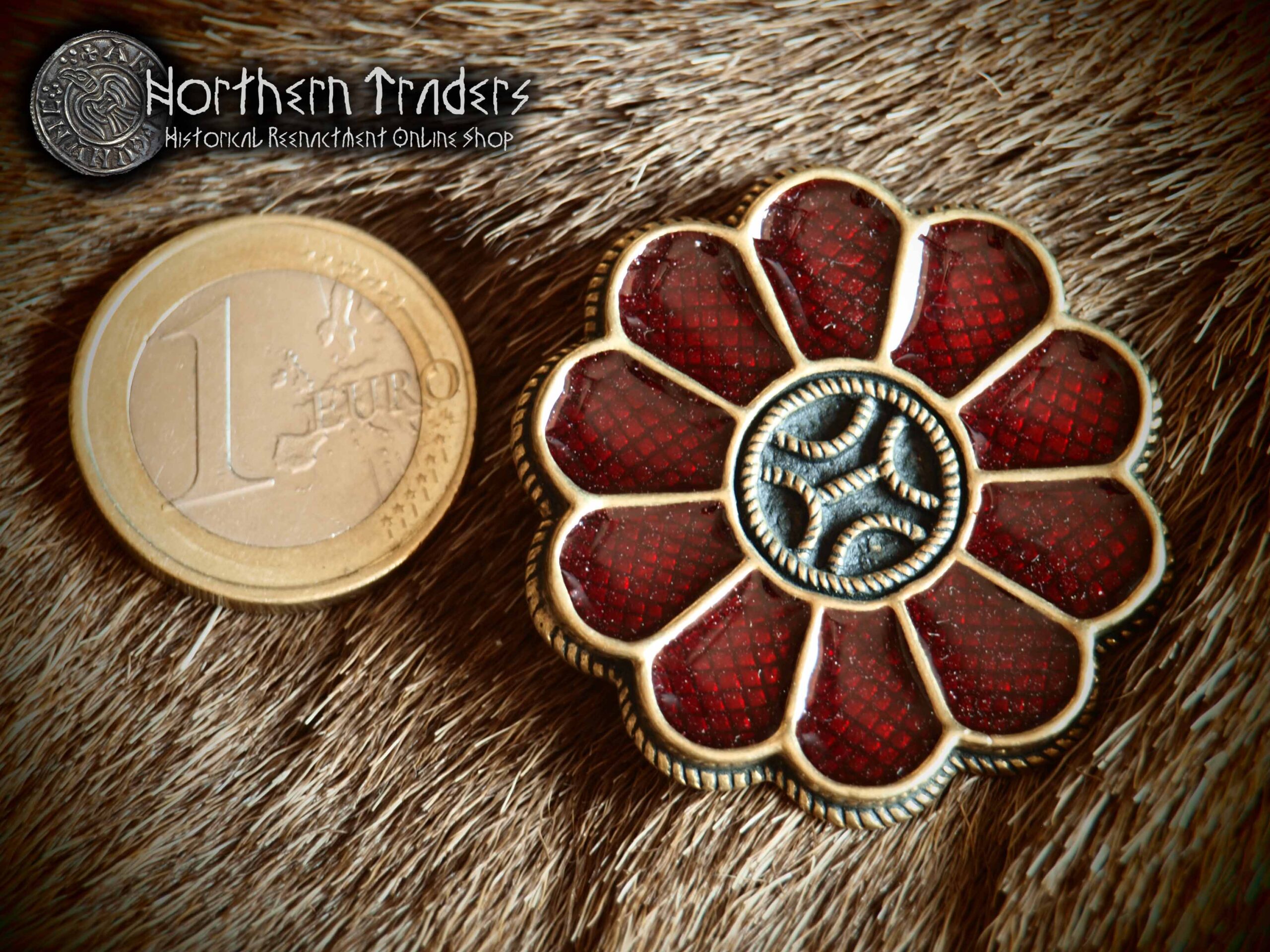
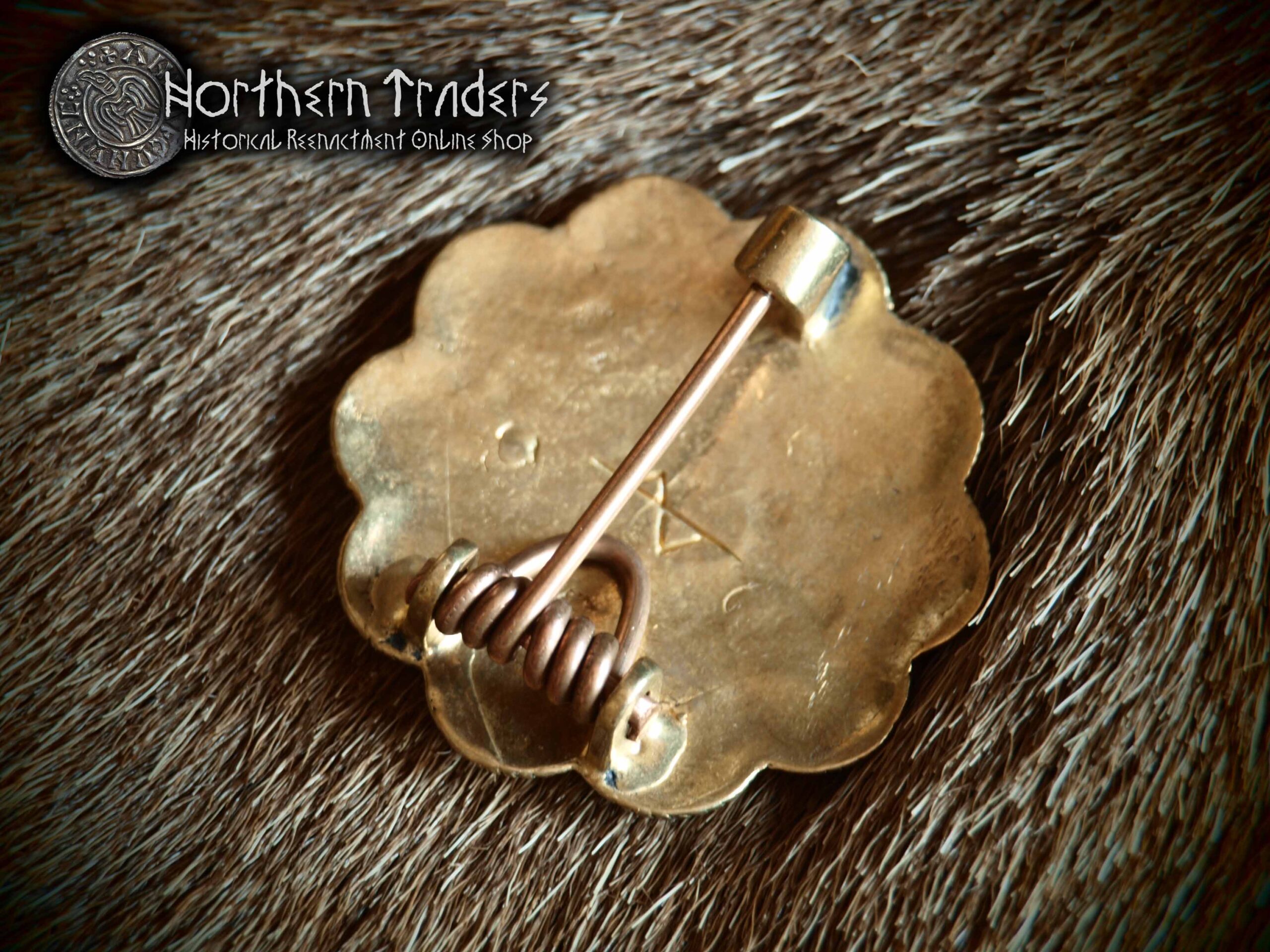
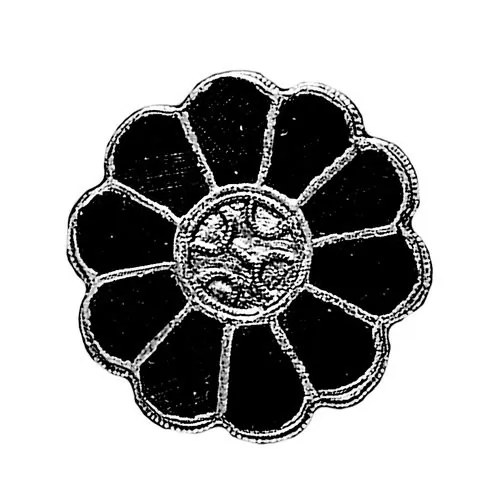
Almandine disc brooches, commonly known as rosette brooches, were an important element of high-status female dress among the Alemanni and other Germanic peoples during the 6th century.
These brooches were typically worn in pairs to fasten the upper part of the garment and were combined with another pair of brooches on the lower dress, forming the so-called Merovingian four-brooch costume, a fashion widespread among the Franks, Alemanni, and other Early Medieval Germanic tribes.
Their distinctive decoration was created using the cloisonné technique, in which small pieces of stone or glass were set into metal cells. From the 2nd century AD onwards, craftsmen increasingly used deep red almandine garnets, producing some of the most spectacular jewellery of the Migration Period.
Cloisonné decoration remained especially popular between the 5th and 7th centuries and was used on brooches, belt buckles, and other prestigious accessories. Its rich appearance and sophisticated craftsmanship made it one of the defining features of Merovingian and Germanic jewellery.


Reviews
There are no reviews yet.